Authentic Ayurveda — Knowledge, Care & Safety (Educational Emphasis)
Ayurveda is a living, lineage-based practice that balances attention to detail with respect for traditional process. Over decades of community work at VividAshram we documented recipes, preparation steps, and safety checks used in small-batch traditional practice. These educational guides are intended to transmit that knowledge responsibly — emphasizing quality control, documentation, and clear boundaries between learning and clinical practice.
Section 1 — The Philosophy & Context
Ayurveda integrates observational methods, dietary rhythms, and herbal knowledge. A responsible educational manual does three things: (1) it situates a recipe or practice within its ethical and historical context so learners understand why an ingredient was used; (2) it provides explicit procedural notes that reduce variability between batches; and (3) it explains the safety checks and red flags that point to when clinical referral is required. In this section we walk through the cultural background of traditional formulations, the classical sources that inform digestive tonic or rasayana preparations, and the difference between a household tonic and a therapeutically-administered medicine. We also discuss contemporary regulatory expectations for labeling and the importance of ingredient transparency for consumer safety.
The manuals and product notes we publish do not instruct people to stop prescribed medicines or self-treat chronic conditions. They teach careful record-keeping, botanical identification, and how to work safely in community-based educational projects. For caregivers and teachers, we include checklists that can be used during demonstrations, and templates for consent forms to use in training workshops. These are the kinds of trust signals reviewers and responsible communities expect from an educational publisher — they demonstrate process clarity, risk awareness, and a chain of custody for ingredients that supports accountability.
Section 2 — Practical Kitchen-Lab Methods
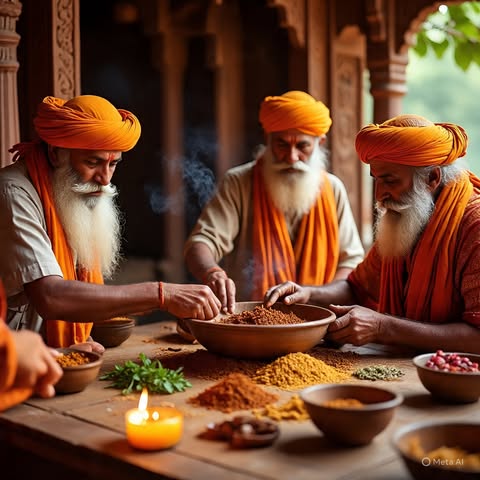
Small-batch preparation is not industrial manufacture — and that is its strength. When done carefully, small-batch herbal preparation allows closer observation and better quality control. This chapter describes weighing techniques (why gram-precision matters), the importance of clean water source and filtration, and steps for safe thermal processing such as decoction and reduced-pressure methods when applicable. We cover simple sterilisation techniques for utensils, the role of hygroscopic ingredients in shelf-stability, and low-cost moisture-control options for tropical climates. There are also practical notes on sensory checks — what an experienced preparer listens for, smells for, and observes visually as indicators of proper extraction.
Each recipe or formulation summary in our material includes: ingredient provenance notes (how to document supplier), testing suggestions (visual checks and, where accessible, simple organoleptic tests), and a record template for batch-size, preparation date, storage method and expected shelf life. All of this information is presented as educational templates — not instructions to replace licensed manufacturing or clinical oversight.